Best Time to Surf Taghazout & Tamraght: Month-by-Month Guide
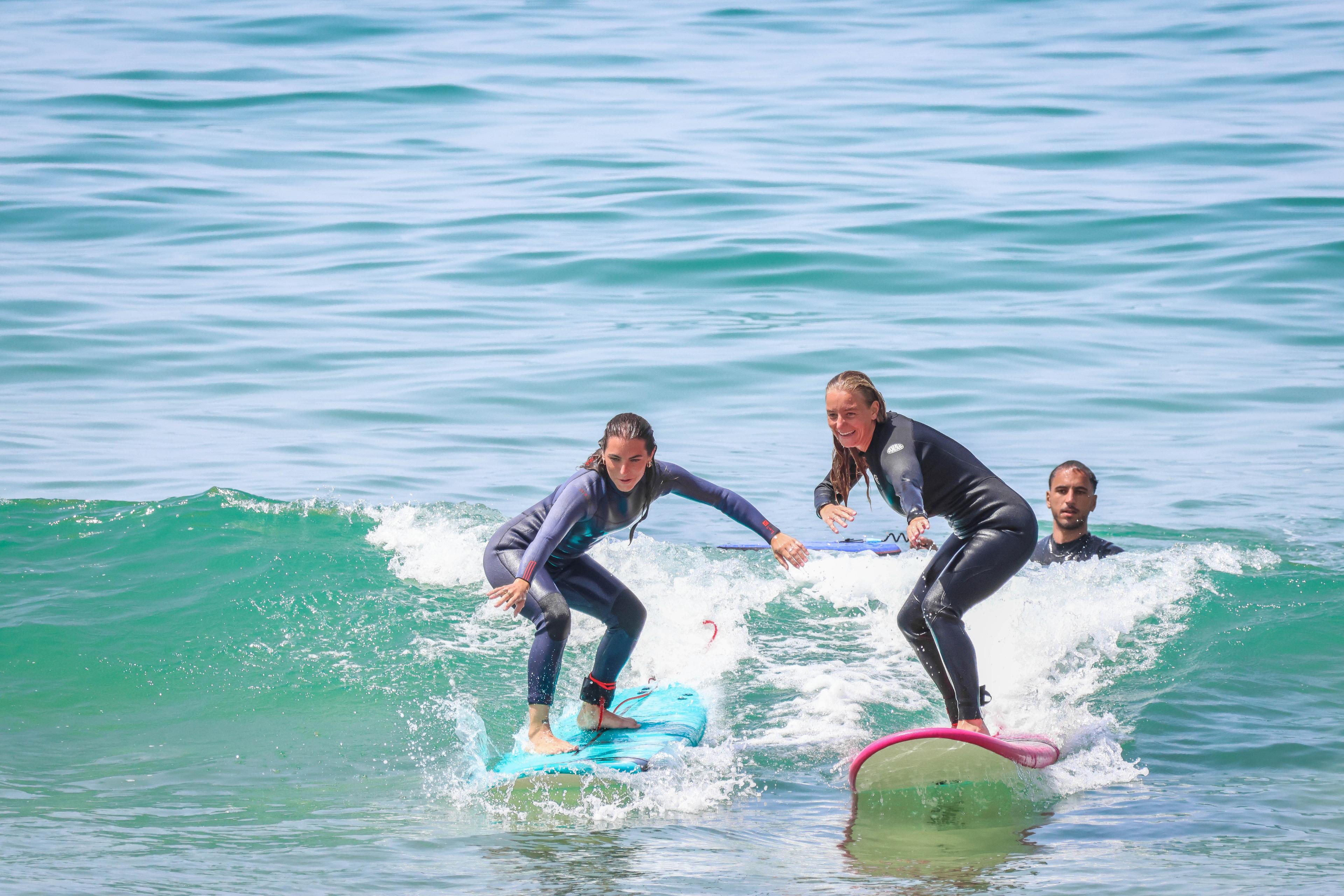
With more than 330 days of sunshine a year, an Atlantic swell window wide open to North Atlantic winter storms, and over 25 surf breaks within a short drive, Taghazout and Tamraght form Morocco’s world-renowned surf capital. Here is the definitive month-by-month breakdown from our certified local instructors.
Autumn (September to November): Warm Water & Reawakening Swells
Autumn is the sweet spot for many traveling surfers. Water temperatures remain balmy around 20-22°C (68-72°F), morning winds are consistently offshore, and Atlantic swells begin pumping clean waist-to-head-high lines.
It is an exceptional time for beginners and improvers: uncrowded lineups, warm sunshine (25-28°C air), and gentle sandbars at Crocro and Devil’s Rock.
Winter (December to February): Prime Point Break Season
Winter is world-famous big-wave season in Morocco. Heavy groundswells march down from the North Atlantic, firing up legendary right-hand point breaks including Anchor Point, Boilers, and Killer Point.
Beginners need not worry: the sheltered sandy bays of Tamraght and protected south-facing spots like Anza and Banana Beach filter out excess swell size to create immaculate, forgiving waves.
- Wave consistency: 95% surfable days per month
- Water temperature: 16°C - 18°C (61°F - 64°F) — 4/3mm or warm 3/2mm
- Air temperature: 20°C - 23°C (68°F - 73°F) during the daytime
Spring (March to May): Golden Sun & Empty Lineups
As spring arrives, daylight hours stretch out and European winter crowds thin out. Swells dial back into approachable 3-to-6 foot ranges, providing glass-like morning conditions.
Longboarders, intermediate cruisers, and beginner surf camp guests will find spring one of the most relaxing and rewarding seasons of the year.
Summer (June to August): Warm Days & First-Timer Heaven
Summer brings smaller, manageable rolling waves (1 to 4 feet) and tropical water temps up to 23°C (73°F). It is the safest and least intimidating period for complete first-timers, children, and families.
After morning surf lessons on mellow sandbars, afternoons are ideal for desert trips, sandboarding in Timlalin, or cliff diving at Paradise Valley.
Month-by-Month Summary Matrix
Compare seasons at a glance to match your personal surfing goals:
| Months | Best For | Wave Size | Water Temp | Wetsuit |
|---|---|---|---|---|
| Sep - Oct | All levels (best progression) | 3 - 6 ft | 20 - 22°C | 3/2 mm |
| Nov - Dec | Intermediates & Point chasers | 4 - 10 ft | 18 - 20°C | 3/2 or 4/3 mm |
| Jan - Feb | Advanced (beginners in bays) | 5 - 12+ ft | 16 - 18°C | 4/3 mm |
| Mar - May | Beginner to Intermediate | 3 - 7 ft | 18 - 20°C | 3/2 mm |
| Jun - Aug | First-timers & Families | 1 - 4 ft | 21 - 24°C | Shorty / 3/2 mm |
Frequently Asked Questions
Clear answers from our local Tamraght surf crew.
Yes! Even when Anchor Point is 10 feet high, sheltered spots like Crocro Beach, Devil’s Rock, and Anza have gentle whitewater and reforming waves perfect for beginner lessons.
 Pricing & Advice
How Much Do Surf Lessons Cost in Taghazout and Tamraght?
Group lesson pricing, private 1-on-1 coaching, 3-to-5 day packages, and gear rental: full price breakdown to help you budget your surf trip.
 Spot Guide
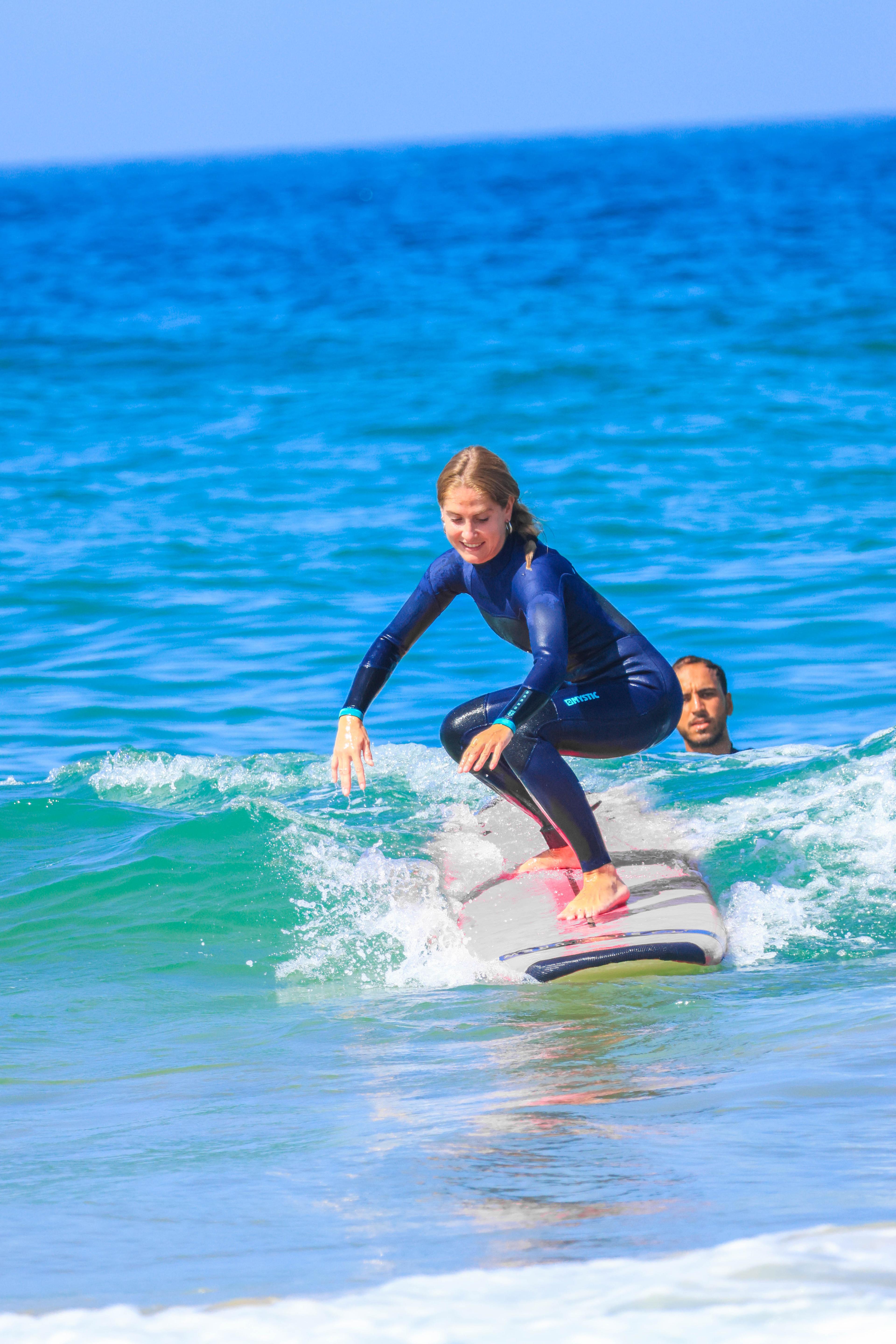
Best Beginner Surf Spots Near Tamraght
Soft sandy bottoms, forgiving whitewater, and gentle peeling waves: discover Crocro, Devil’s Rock, Banana Beach, and Anza.
 Comparisons & Destinations
Taghazout vs. Imsouane vs. Tamraght: Which Surf Town is Right for You?
Vibe, wave consistency, accommodation, and crowd levels: a transparent comparison of Morocco’s top 3 Atlantic surf villages.